Perchloroethylene ("Perc")
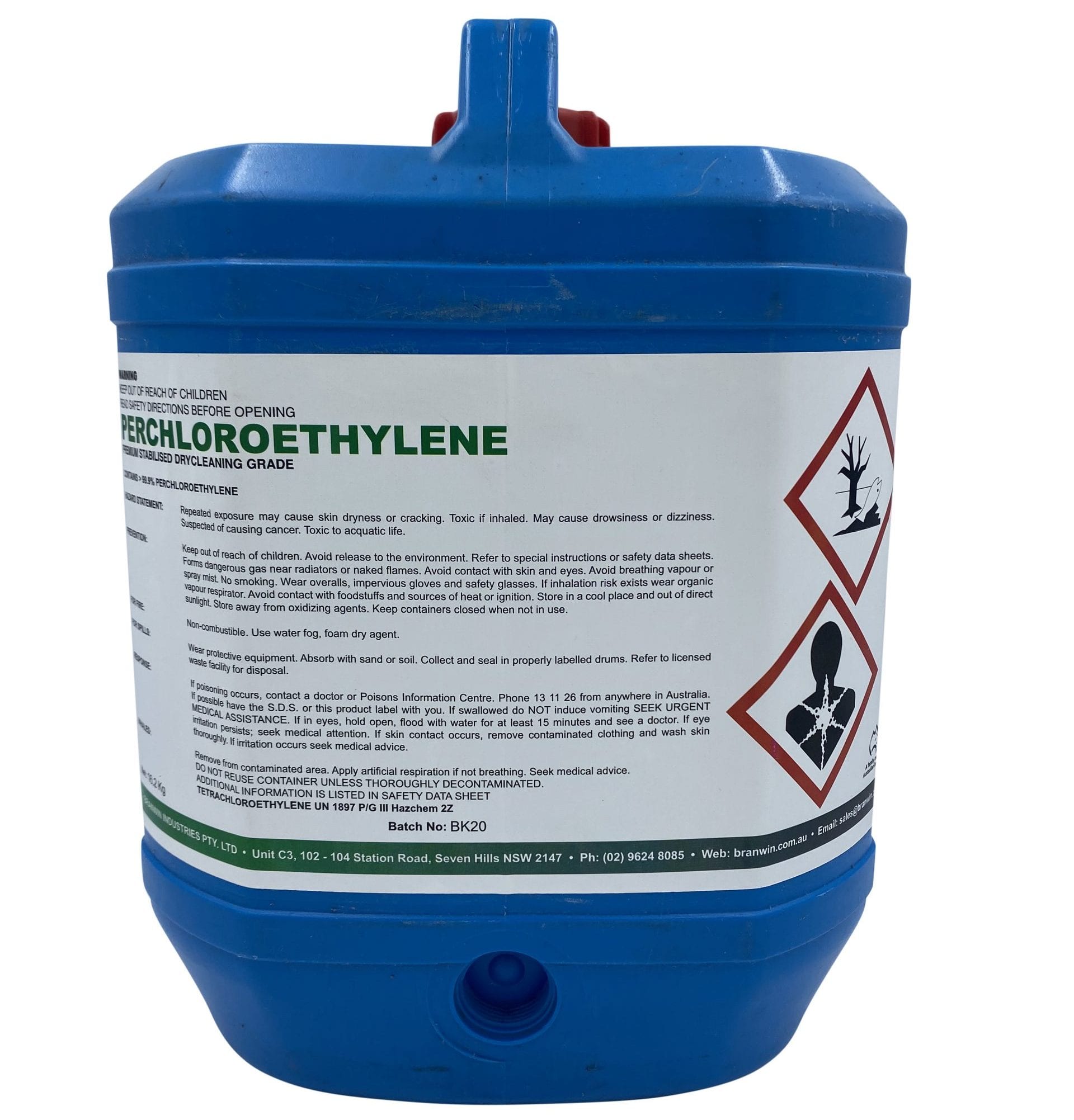
"Perc" is a common industry shorthand and abbreviation for perchloroethylene ("perc"), which is simply another name for tetrachloroethylene.
The largest user of tetrachloroethylene or perc the dry cleaning industry. It is a large percentage of all dry cleaning fluid used. Textile mills, vapour degreasers and metal cleaning operations, and rubber coatings also use tetrachloroethylene. It can be added to solvent soaps, printing inks, adhesives, sealants, polishes, lubricants and silicones.
Below is a good description of Perc taken from www.industrykitchens.com.au/Blog/what-are-the-chemicals-used-in-dry-cleaning
Perchloroethylene (PERC) - The Most Common Solvent
As you dive into the world of dry cleaning, one chemical name pops up more than others: Perchloroethylene. Known in the trade as PERC, this solvent has been an industry standard for decades.Regulations are tight, and with good reason. PERC is a suspected cancer-causing agent. This puts a legal responsibility on all dry cleaners to protect their staff and environment from these chemicals.The power of perchloroethylene lies in its ability to dissolve oils and greases, something water can struggle with. It's volatile too which means it evaporates quickly leaving your clothes clean and dry after treatment.
A Deeper Dive Into PERC Properties
Let's get down to brass tacks here – why is Perc so popular? Well, it's a chlorinated hydrocarbon that boils at around 121 degrees Celsius. Its high boiling point combined with low flammability makes it ideal for use within dry cleaning machines.Bear in mind though; there’s no such thing as a free lunch. While perc does indeed have a higher flashpoint compared to other solvents, making fires less likely during the cleaning process, overexposure could be detrimental due to potential health risks involved.
Potential Health Risks Associated With PERC Exposure
This brings us neatly to another key aspect we need to consider when talking about Perc – health implications. Despite being an effective cleaner, repeated exposure may lead to adverse effects like dizziness or even certain types of cancers according to some studies.Given its effectiveness, one might question why Perc is still in use despite potential health implications. That being said, industry and regulatory bodies are actively working to find alternatives that balance effectiveness with health and environmental considerations.In fact, many dry cleaners have already started making the switch towards more environmentally friendly solvents – but we'll save that topic for another day.
Perc information and FAQ factsheet