Garment Alert Carla Zampatti Dress
The DIA has been alerted by a drycleaner in Sydney, New South Wales to problems with cleaning a Carla Zampatti dress.
The garment alert will be uploaded to the DIA website under Resources/Technical Information/ Garment Alerts
| Brand: |
Carla Zampatti |
Style name/number: |
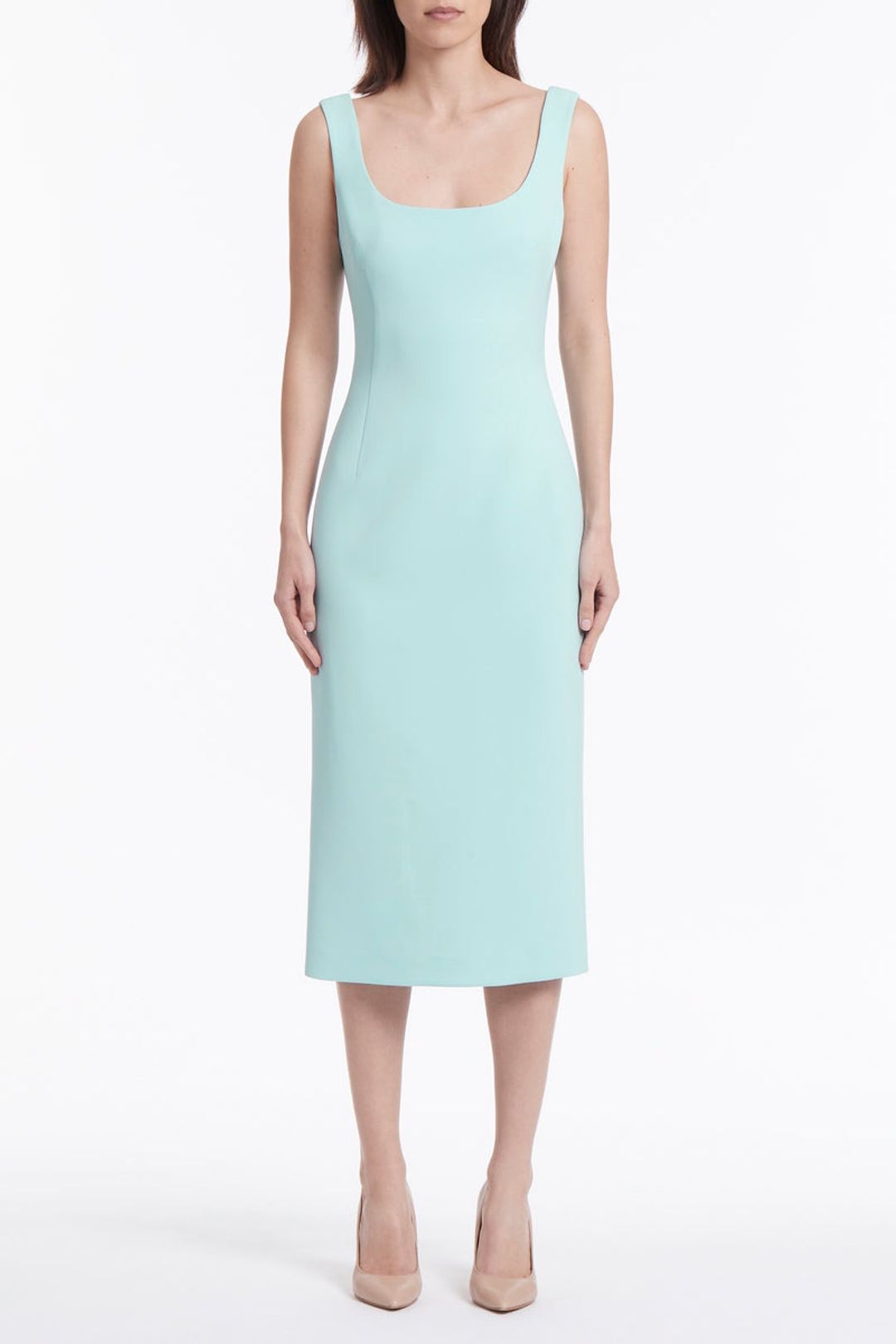
Aqua Stretch Square Neck Midi Dress |
| Care Label: |
Do not spot clean Do not wash Do not bleach Do not tumble dry Cool iron if necessary Dry clean only - F |
Fabric Content: |
Outer: 96% viscose 4% spandex Lining: 100% polyester |
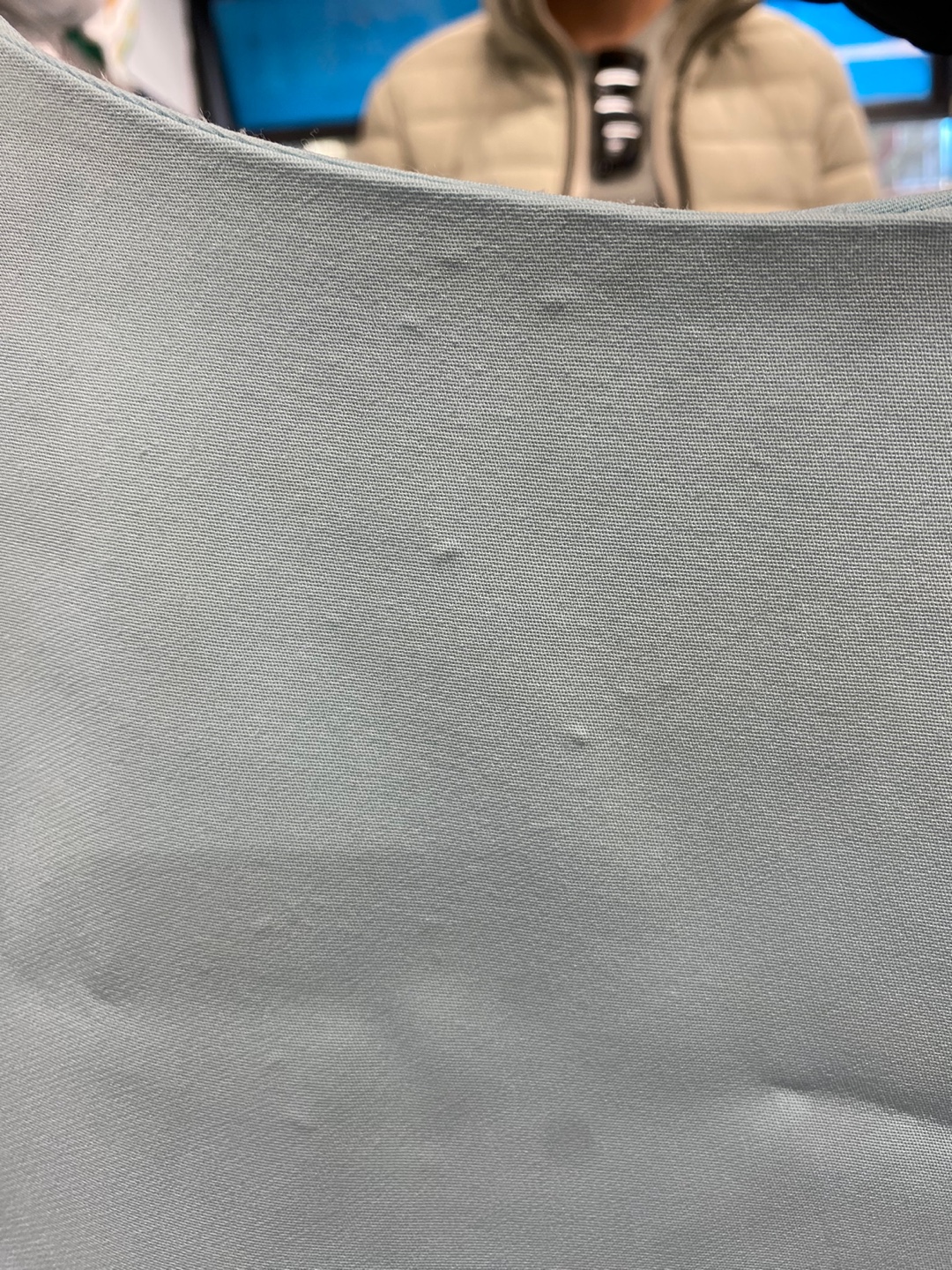
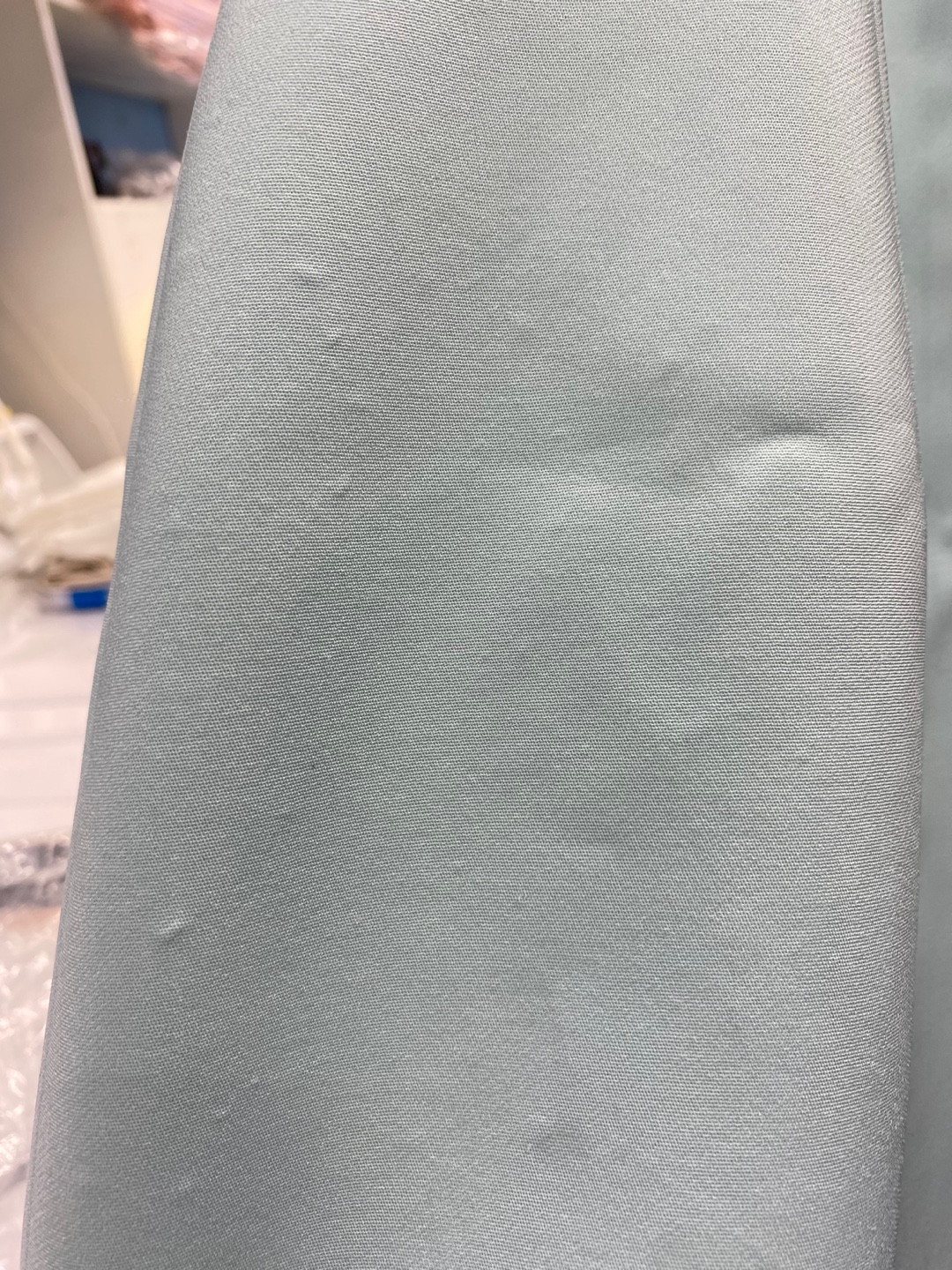
Images of garment:
Issue:
This Carla Zampatti dress was cleaned according to the care label in D-60 Hydrocarbon solvent. When the dress came out of the machine there was bubbling/bumps on the outer fabric of the dress.
The drycleaner and the DIA’s Technical Officer, Howard Duffy were both of the opinion that it was a manufacturing issue with the explanation most likely being a breakdown of the fusible interfacing on the outer layer.
The customer was not happy with this explanation so a report from the International Textile Analysis Laboratory (“ITAL”) was obtained, and the report came back as supporting a manufacturing issue.
The ITAL report noted:
“High definition digital photo analysis reveals the dress contains a fusible interfacing that has partially separated, causing the
fabric to lie unevenly only in some areas. The fusible interfacing can easily separate from the shell in random areas during any type of
professional drycleaning.
Fusible interfacings are pressed in place by the manufacturer as the garments are being made to give them shape and stability. For a
number of reasons, partial or complete separation may occur during accepted cleaning procedures.
Separation can be traceable to deficiencies in the application or in the fusible material itself. The fused material may lack resistance to accepted cleaning procedures because of insufficient time, temperature, or pressure used in the original fusing process during manufacture. Additionally, not all interfacings are completely compatible with all shell fabrics. This type of adverse condition can become objectionable after repeated wear and several cleanings or it could appear rapidly and become noticeable after the initial cleaning process.”